
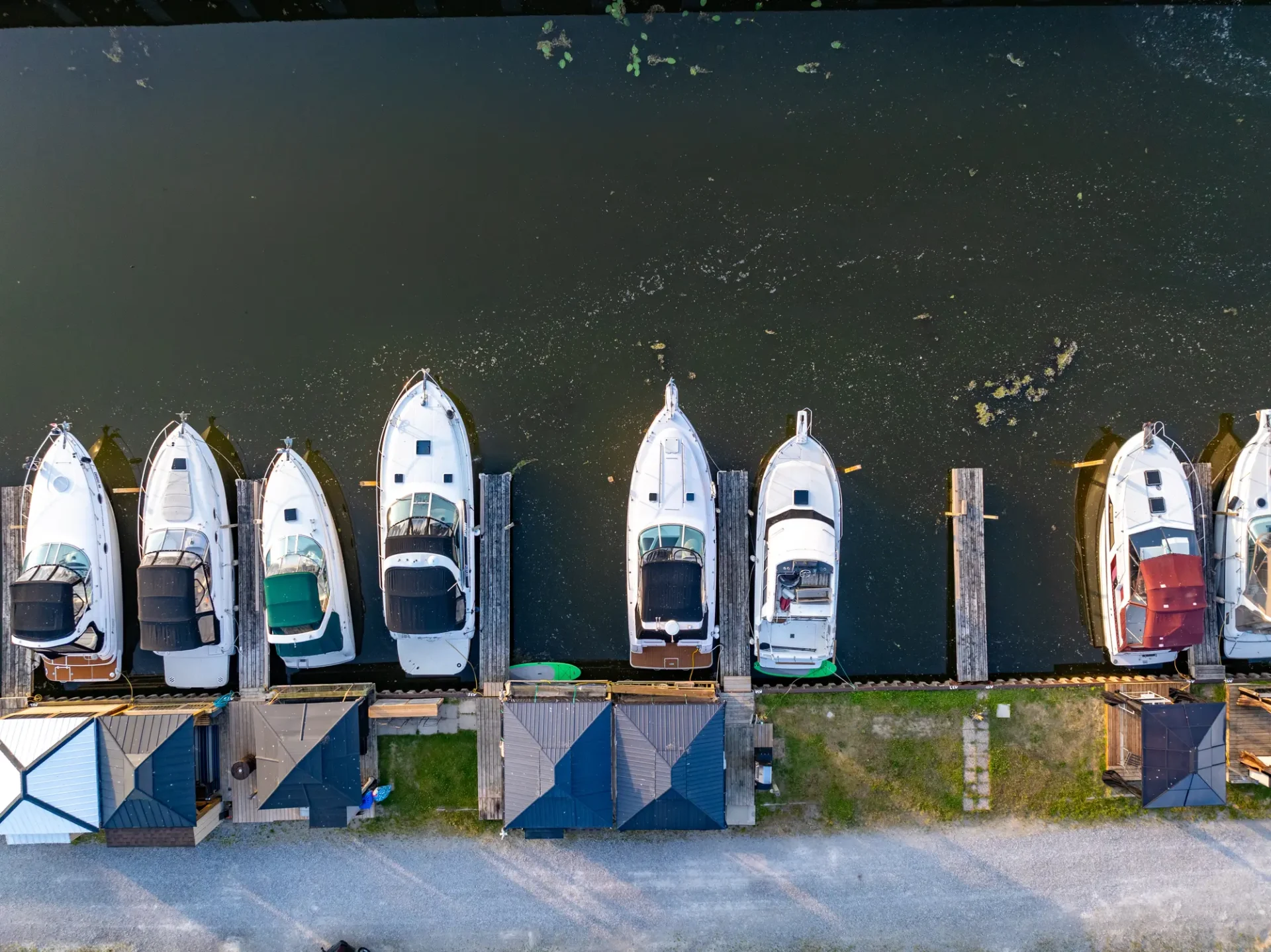
Delaware River Boating Essential Safety Tips For Every Enthusiast
Introduction
The Delaware River offers everything from tranquil family outings to exhilarating journeys past the Trenton skyline. Its dynamic tides, shifting sandbars, and a blend of regulations present both excitement and challenges. Whether you are a new boater, upgrading, or perfecting your vessel, this guide shares the boating safety tips Delaware River captains trust to keep every adventure safe and memorable.
Understanding Regulations And Life Jacket Requirements
Navigating the Delaware River requires understanding the overlapping rules enforced by the U.S. Coast Guard, New Jersey, and Pennsylvania. Every vessel must carry a Coast Guard-approved personal flotation device (PFD) for each person onboard. Children under 13 must wear a properly fitted life jacket whenever the boat is underway in both states. From November 1 to April 30, Pennsylvania mandates that paddlers and anyone in boats under 16 feet wear a PFD at all times, even when docked.
Common mistakes include using adult-sized jackets for children, storing jackets in packaging, and confusion about rules near state lines. To ensure compliance, check for “Type III or V—wearable” and “USCG” labels, perform a fit test by lifting the jacket at the arm openings, and always have an extra universal-fit jacket for unexpected guests.
Recent updates now allow inflatable PFDs for those 16 and older on boats larger than canoes or kayaks, following the 2025 USCG rule. Trenton Marine Center’s curated selection of vests is organized by weight, ensuring every family member is properly equipped.
Mastering River Currents, Weather, And Cold Water Safety
The Delaware River may look calm, but hidden currents can exceed three mph after heavy rainfall or snowmelt. A tidal swing of up to three feet, noticeable north to Trenton, makes the river’s behavior unpredictable. Stay informed by monitoring the NOAA tide gauge at Burlington, using weather radios, and checking flow maps from the Delaware River Basin Commission. Pay special attention when winds collide with incoming tides, as white caps can develop quickly.
Cold water safety is crucial. Water below 70 °F can cause hypothermia within minutes. Boaters should wear layers of synthetic clothing under a Type III jacket, keep an insulated throw bag accessible, and file a float plan listing departure and return times. Trenton Marine Center’s service desk checks local flows during winterizing and launching, providing a personalized safety assessment for each trip. For added peace of mind, technicians can install barometers that send weather alerts directly to your phone.
Equipping Your Boat With Essential Safety Gear And Emergency Plans
Outfitting your vessel with the right marine safety equipment turns emergencies into manageable situations. Essential gear includes a first-aid kit for boats, a Type B-I or B-II marine fire extinguisher, visual distress signals, sound-producing devices for boats under 39 feet, and a throwable flotation device (Type IV). Replace expired first-aid items each spring, check fire extinguisher gauges monthly, log expiration dates for flares, test sound devices before each departure, and keep the throwable flotation device accessible on deck.
Emergency plans should be second nature. For a man overboard, shout, cut the throttle, point, toss the Type IV device, and circle for a safe pickup. In collisions, stop the engine, assess injuries, use radio Channel 16, and deploy distress signals.
Filing a float plan is vital, especially as two to four drownings occur annually on the Upper Delaware. List all crew, vessel details, route, and emergency contacts, and share with a friend. Trenton Marine Center provides waterproof float-plan cards with every purchase or service.
Why Our Safety Stock Stands Out
By choosing local gear, you ensure every item meets Delaware River boating safety standards, reducing returns and ensuring a safer experience from the start. Trenton Marine Center offers year-round, curated selections maintained in a climate-controlled warehouse, personalized fitting with on-water demos, and real-time regulation updates from USCG and NJSP. This approach outshines typical big-box stores, which often offer only seasonal, self-serve options with general signage.
Navigating, Maintaining, And Avoiding Hidden Hazards
Effective navigation is critical on the Delaware River. The main channel is prioritized for larger commercial traffic, especially tugboats, so always keep to the starboard side of the red–green line. When overtaking within 100 feet, signal with one prolonged and one short blast. Adhere to speed-control buoys, especially by the Calhoun Street Bridge, where wakes have swamped kayaks in previous seasons.
Hidden hazards include storm-driven logs and shifting sandbars north of Bordentown. Updated chart plotter chips or free Army Corps charts help avoid these dangers. For maintenance safety, check bilge blowers, navigation lights, and CO detectors before departure. Always stop the engine when swimmers are aft, and consider a prop guard if children are tubing. Prevent carbon monoxide poisoning by ventilating enclosed spaces and running blowers even on mild days.
A common pitfall is forgetting to drain transom plugs before winter, risking expensive repairs. Scheduling certified technician service in the fall secures your spot for a timely spring launch. For those needing formal education, a boating safety course NJ certificate is required for anyone born after January 1, 1979, operating powerboats. Trenton Marine Center offers monthly classes that satisfy both New Jersey and Pennsylvania requirements.
Enhancing Your Boating Experience With Local Expertise
Safe boating on the Delaware River is about more than rules; it is a community effort. Sharing insights with dock neighbors provides valuable, real-time information on river conditions. Trenton Marine Center supports this community with secure climate-controlled storage, certified service bays for all types of engines, a hand-picked gear shop, and transparent financing options, including pre-owned boats under $100,000.
Our support eliminates the stress of unreliable mechanics, confusing launch sites, and surprise costs. Personalized consultations map out ramps, fuel docks, and family-friendly picnic spots, turning your first trip into a lifelong memory. For ultimate convenience, premium concierge storage ensures your boat is ready to go, cleaned and fueled, every time you arrive.
Charting A Safer Course On The Delaware River
From understanding life jacket rules to mastering local currents and gear, these are the pillars of river safety Delaware boaters rely on. Equip your vessel with reliable gear, respect changing conditions, and lean on local experts. Every boater plays a role in keeping accident rates low and making each journey safe and enjoyable.
Setting Sail With Confidence
Your safe boating Delaware River adventure starts with preparation, respect for regulations, and the right support. Trust Trenton Marine Center for expert advice, curated gear, and local knowledge. For in-depth guidance and personalized service, talk to our experts and set your course for worry-free boating.
References
U.S. Coast Guard 2024 Recreational Boating Statistics Report – https://www.uscgboating.org
National Safe Boating Week 2025 News – https://www.safeboatingcouncil.org
Commonwealth of Pennsylvania 2025 Boating Handbook – https://www.pa.gov
Upper Delaware River Safety Tips National Park Service – https://www.nps.gov
MetroLaw Report on 2025 Delaware River Capsize – https://metrolaw.com
GovInfo Safety Zones Delaware River Dredging – https://www.govinfo.gov
Recreational Boating Industry Trends 2025 – https://boatingindustry.com
Northeast Times Delaware River Revitalization – https://northeasttimes.com
Marinalife Cruise Smart National Safe Boating Week 2025 – https://www.marinalife.com